Red Cabbage Juice
A small amount of red cabbage with apple and lemon — vivid purple juice without an overpowering brassica bite.
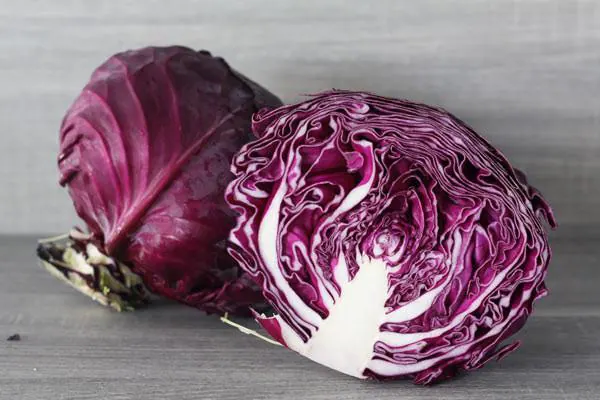
Ingredients
- 2 cups shredded red cabbage (about ¼ small head)
- 2 sweet apples, cored
- 1 carrot, scrubbed
- ½ lemon, peeled
Steps
- Wash cabbage; shred to fit the chute. Core apples; scrub carrot; peel lemon.
- Juice cabbage first in small handfuls, then carrot, apples, and lemon.
- Stir well — color is intense. Dilute with a splash of water if too bold.
- Rinse juicer parts promptly; purple pulp stains.
Nutrition (per serving)
Kitchen estimate from typical produce weights and juice extraction — not lab-analyzed. Juicing leaves most fiber in the pulp; values are for the drinkable juice, not whole fruit or vegetables. Not medical advice.
Serving size: 1 glass
- Calories
- 75 kcal
- Fat
- 0.3 g
- Carbohydrates
- 19.6 g
- Fiber
- 0.6 g
- Sugars
- 13 g
- Protein
- 1 g
Red Cabbage Juice works best as an everyday glass: 2 cups shredded red cabbage (about ¼ small head), 2 sweet apples, 1 carrot doing the heavy lifting, optional extras only if your produce needs a nudge. Expect about 2 glasses when fruit is juicy and your feed stays steady. Leafy or stalky produce needs bundling and alternating feeds so pulp does not turn into a dry puck.
Who this is for
Home cooks who already like beet and want a nearby flavor fork without rewriting their whole grocery run. Skip this if you need a zero-prep bottled drink — fresh juice still means washing, cutting, and cleanup.
Produce picks and prep
Crisp greens and hydrating vegetables beat wilted bags. Yellow or slimy leaves taste muddy. Pick dense, bright carrots without soft spots. Giant woody cores juice less sweetly; medium roots are the everyday sweet spot. Bright yellow lemons with thin skins juice easier than thick-rind warehouse fruit.
Wash grit. Bundle leafy greens with cucumber or apple so centrifugal machines do not spit dry pulp. Scrub well; peel only if the skin tastes earthy. Cut to chute size so the feed stays even and the motor does not surge. Peel and remove excess pith. Feed lemon near the end so acidity brightens without sitting in the pulp basket forever.
Shop with the chute in mind — oversized chunks stall beginners more often than “wrong” juicer brands.
Technique by machine
On a beginner centrifugal machine, cut produce smaller than the chute. Oversize wedges bounce and foam without adding yield.
Cold-press / masticating: slow feed, use reverse if the auger stalls, and keep batches modest so pulp does not bake into the screen.
Bundle leafy greens with cucumber or apple spears so centrifugal cutters catch them. Loose leaves alone mostly become wet air and bitter foam.
Flavor, foam, and yield fixes
Bitterness → more fruit or lemon. Thin yield → tighter bundles and a slower feed. Too earthy → apple or orange. Too sweet → celery, lemon, or a little ginger. Foam settles after a short rest.
If yield looks low, check ripeness first, then screen packing. Wet pulp in the bin usually means a better run than bone-dry, overpacked pulp.
Target yield is 2 glasses; juicy winter produce can run slightly over, dry winter fruit slightly under.
Variations and related reading
Citrus-forward forks: more lemon/lime for sparkle, more orange for body. Greens forks: spinach for milder cups, kale for brassica bite, cucumber when you want hydration over leaf intensity.
Nearby recipes worth comparing: beet juice, abc juice juice, apple ginger juice.
This recipe also sits with beet juices for shopping-style browsing after you nail the base method.
Technique deep-dives that pair well here: how to make green juice less bitter; best juicer for carrots; how to juice lemons.
Storage and cleanup
Fresh juice is a same-day food, not a weekly meal-prep potion. Cold sealed storage buys you a short window; it does not freeze flavor in amber.
Sticky tropical pulp and berry skins cling — a quick mid-batch rinse on big cook days prevents the “everything tastes like yesterday” problem.
This page is kitchen method and flavor only — not medical advice, not a detox protocol, and not a disease treatment plan.
Tools used
Centrifugal or cold-press both work; keep a cleaning brush ready for stains.
Affiliate disclosure: As an Amazon Associate we may earn from qualifying purchases. Links go to Amazon.com search or product pages; we do not cloak URLs. We share buying criteria — we do not claim independent lab tests unless explicitly stated.
- Juicer cleaning brush
Purple pulp dries fast.
- Beginner centrifugal juicer
Handles apple and cabbage mixes.
Best juicer for beginners → · Cold press vs centrifugal → · All juicer guides →
FAQ
Do I need a cold-press juicer for red cabbage juice?
No. Cold-press can improve yield on greens and soft fruit and runs quieter, but a beginner centrifugal juicer still makes a solid glass if you feed steadily and clear the screen.
What if I only have a blender?
Blend chopped produce with a small amount of cold water, then strain firmly. You will get more foam and a little less clarity, but the flavor lane stays intact.
Why does my green juice taste bitter?
Usually thick stems, too much leaf versus soft produce, or dry packed pulp. Strip stems, add apple/cucumber/lemon, and alternate feeds instead of dumping all greens first.
How long does this juice keep?
Same day is best for flavor. Sealed and refrigerated, aim to finish within about 24 hours; shake before drinking. Longer storage tastes flat and can ferment.
How do I get more juice from the same produce?
Use ripe fruit, cut to chute size, alternate soft and firm pieces, and avoid overpacking the screen. Dry, rock-hard produce will always yield less.
Is foam a problem?
Home juice is often cloudy. Stir after it sits. Separation is ordinary; spoilage smells fermented or sour in a spoiled way, not just fruity.
Does this recipe make medical or detox claims?
No. It is a kitchen flavor and method page only — not medical advice, not a cleanse protocol, and not a treatment plan.
Related juices
Explore: Juice Recipes · Beet Juices · Green Juices · Carrot Juices · Celery Juices · Citrus Juices · Tropical Juices · Berry Juices · Juice Shots · Eat the Rainbow · Juicer Buying Guides · Red Juices · Hydration Juices · Meal-Prep Juices · Orange & Yellow Juices · Winter Juices · Purple Juices · Summer Juices · White & Brown Juices
Juice and produce pages are general kitchen information only. They are not intended to diagnose, treat, cure, or prevent any disease. Talk with a clinician for personal health questions.