Pineapple Coconut Juice
Fresh pineapple with coconut water and lime — blender-friendly tropical juice that matches a legacy summer slug.
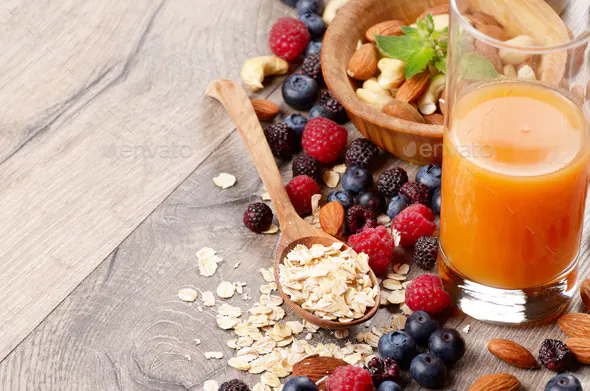
Ingredients
- ½ ripe pineapple, peeled and cored (about 3 cups chunks)
- 1 cup (240 ml) unsweetened coconut water
- ½ lime, peeled or juiced
- Optional: 4 mint leaves
Steps
- Cut pineapple into chute- or blender-size chunks.
- Juicer path: juice pineapple and lime, then stir in coconut water and mint.
- Blender path: blend pineapple, coconut water, and lime; strain lightly if you want it thinner.
- Serve over ice. Drink within a few hours for best aroma.
Nutrition (per serving)
Kitchen estimate from typical produce weights and juice extraction — not lab-analyzed. Juicing leaves most fiber in the pulp; values are for the drinkable juice, not whole fruit or vegetables. Not medical advice.
Serving size: 1 glass
- Calories
- 91 kcal
- Fat
- 0.4 g
- Carbohydrates
- 22.3 g
- Fiber
- 0.5 g
- Sugars
- 16.6 g
- Protein
- 1.5 g
Make pineapple coconut juice when you want orange-yellow juice with a clear flavor lane from ½ ripe pineapple, 1 cup (240 ml) unsweetened coconut water, ½ lime. This version leans sweet, fits a summer shopping list, and stays honest about foam, pulp, and same-day storage. Leafy or stalky produce needs bundling and alternating feeds so pulp does not turn into a dry puck.
Who this is for
Good for summer produce runs and short video-style batches. Less ideal if your only machine is a tiny citrus press and the recipe is root- or greens-heavy — match gear to the densest ingredient.
Produce picks and prep
Ripe pineapple smells sweet at the base and yields slightly to pressure. Rock-hard fruit juices sour and thin. Choose firm, fragrant apples. Soft mealy fruit juices watery and dull. Fuji, Gala, and Honeycrisp add gentle sweetness; Granny Smith keeps the glass sharper. Glossy, heavy limes. Yellowing overripe fruit can taste flat or fermented.
Peel deeply enough to remove eyes. Core the tough center. Sticky pulp clogs screens — rinse between large batches. Core apples so seeds stay out of the pulp. Leave the peel on unless it is heavily waxed — peel still juicing is fine for most home batches. Peel carefully — lime pith is assertive. Pair with sweet fruit so the glass does not read like straight acid.
If fruit smells fermented or vegetables are slimy, compost them. Off produce makes off juice regardless of cold-press claims.
Technique by machine
Centrifugal juicers reward a steady rhythm. Push with the tamper, do not jam the chute, and finish with a firmer piece (apple, carrot, or cucumber) to clear soft pulp.
Cold-press shines when you juice slowly and rinse parts soon. Dried pulp is harder to clean than fresh pulp every time.
Blender route: blend with a small splash of cold water if needed, then strain through a nut-milk bag or fine mesh. Expect more foam and a slightly thicker body than juicer output.
Bundle leafy greens with cucumber or apple spears so centrifugal cutters catch them. Loose leaves alone mostly become wet air and bitter foam.
Flavor, foam, and yield fixes
Too sharp → apple or orange. Too sweet → lemon or cucumber. Foam settles; stir before tasting. Too sweet → more lemon or a tart apple. Too thin → another half apple or a denser partner like carrot or pear.
Taste before you “correct” with more produce. One lemon wedge or half apple often fixes a batch faster than doubling the loudest ingredient.
Target yield is 2 glasses; juicy summer produce can run slightly over, dry winter fruit slightly under.
Variations and related reading
Citrus-forward forks: more lemon/lime for sparkle, more orange for body.
Nearby recipes worth comparing: pineapple ginger juice, pineapple juice, mango pineapple juice.
This recipe also sits with tropical juices and citrus juices for shopping-style browsing after you nail the base method.
Technique deep-dives that pair well here: how to juice pineapple; best juicer for apples; how to juice limes.
Storage and cleanup
Drink the same day when you can — aroma drops fast. Sealed glass in the fridge for a short chill is fine; fill near the top, shake before pouring, and finish within about a day.
A brush dedicated to the mesh screen is worth more than most accessory kits. Dry parts before reassembly so the next batch does not start with old smells.
This page is kitchen method and flavor only — not medical advice, not a detox protocol, and not a disease treatment plan.
Tools used
Blender + nut-milk bag is enough; a citrus press helps with lime.
Affiliate disclosure: As an Amazon Associate we may earn from qualifying purchases. Links go to Amazon.com search or product pages; we do not cloak URLs. We share buying criteria — we do not claim independent lab tests unless explicitly stated.
- Nut milk bag
Optional strain after blending.
- Citrus press
Fast lime finish.
Best juicer for beginners → · Cold press vs centrifugal → · All juicer guides →
FAQ
Do I need a cold-press juicer for pineapple coconut juice?
No. Cold-press can improve yield on greens and soft fruit and runs quieter, but a beginner centrifugal juicer still makes a solid glass if you feed steadily and clear the screen.
What if I only have a blender?
Blend chopped produce with a small amount of cold water, then strain firmly. You will get more foam and a little less clarity, but the flavor lane stays intact.
How do I fix flavor if the batch is off?
Too sharp → apple or orange. Too sweet → lemon or cucumber. Foam settles; stir before tasting. Too sweet → more lemon or a tart apple. Too thin → another half apple or a denser partner like carrot or pear. Change one variable at a time and retaste.
How long does this juice keep?
Same day is best for flavor. Sealed and refrigerated, aim to finish within about 24 hours; shake before drinking. Longer storage tastes flat and can ferment.
How do I get more juice from the same produce?
Use ripe fruit, cut to chute size, alternate soft and firm pieces, and avoid overpacking the screen. Dry, rock-hard produce will always yield less.
Why did my juice separate?
Foam is normal. Skim it or wait a minute before pouring. Clarity is a bottling aesthetic, not a freshness test.
Does this recipe make medical or detox claims?
No. It is a kitchen flavor and method page only — not medical advice, not a cleanse protocol, and not a treatment plan.
Related juices
- Pineapple Ginger Juice
- Pineapple Juice Recipe
- Mango Pineapple Juice
- Watermelon Mint Juice
- Fresh Orange Juice
Explore: Tropical Juices · Juice Recipes · Citrus Juices · Green Juices · Carrot Juices · Beet Juices · Celery Juices · Berry Juices · Juice Shots · Eat the Rainbow · Juicer Buying Guides · Red Juices · Hydration Juices · Meal-Prep Juices · Orange & Yellow Juices · Winter Juices · Purple Juices · Summer Juices · White & Brown Juices
Juice and produce pages are general kitchen information only. They are not intended to diagnose, treat, cure, or prevent any disease. Talk with a clinician for personal health questions.