Mango Lime Juice Recipe
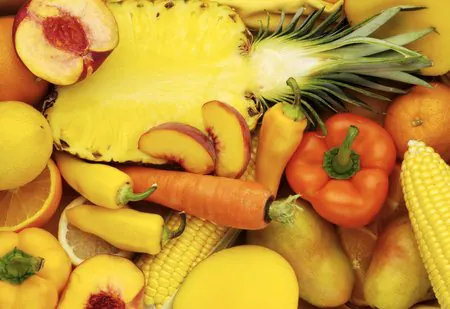
Ripe mango with fresh lime — a tropical orange-yellow pour that stays sharp-clean instead of nectar-thick.
Ingredients
- 2 ripe mangoes, peeled and pitted
- 2 limes, peeled
- 1 apple, cored
- Optional: splash cold water if blending thick
Steps
- Peel mangoes; cut flesh from pits. Peel limes; trim pith. Core apple.
- Blend mango with apple and lime (splash of water if needed) and strain — or juice apple first, then mango, finish with lime.
- Stir; taste. Add more lime if flat-sweet.
- Serve cold the same day. Soft tropical pulp thickens as it sits.
Nutrition (per serving)
Kitchen estimate from typical produce weights and juice extraction — not lab-analyzed. Juicing leaves most fiber in the pulp; values are for the drinkable juice, not whole fruit or vegetables. Not medical advice.
Serving size: 1 glass
- Calories
- 105 kcal
- Fat
- 0.6 g
- Carbohydrates
- 27.3 g
- Fiber
- 0.6 g
- Sugars
- 22.4 g
- Protein
- 1.2 g
Mango Lime Juice works best as an everyday glass: 2 ripe mangoes, 2 limes, 1 apple doing the heavy lifting, optional extras only if your produce needs a nudge. Expect about 2 glasses when fruit is juicy and your feed stays steady. Soft fruit may prefer a blender-and-strain path when centrifugal screens pack dry.
Who this is for
For people stacking simple recipes into a weeknight habit. If you only juice once a month, still follow the produce notes — ripe fruit matters more than RPM marketing.
Produce picks and prep
Glossy, heavy limes. Yellowing overripe fruit can taste flat or fermented. Ripe mangoes smell floral and yield to a gentle squeeze. Green hard fruit is fibrous and sour. Choose firm, fragrant apples. Soft mealy fruit juices watery and dull. Fuji, Gala, and Honeycrisp add gentle sweetness; Granny Smith keeps the glass sharper.
Peel carefully — lime pith is assertive. Pair with sweet fruit so the glass does not read like straight acid. Peel and cut flesh from the pit. Soft mango often prefers blender-strain over a dry centrifugal screen. Core apples so seeds stay out of the pulp. Leave the peel on unless it is heavily waxed — peel still juicing is fine for most home batches.
For this recipe, treat optional ingredients as dials: add them only after you taste the base mix from 2 ripe mangoes, 2 limes, 1 apple.
Technique by machine
Centrifugal: feed in alternating firm and soft pieces so the mesh stays moving. Pause if you hear a dry screech — clear the screen instead of forcing more produce.
Masticating juicers usually run quieter and wetter on greens and soft fruit. Still cut pineapple eyes and thick peels away — the auger is not a garbage disposal.
For soft fruit, blender-strain often beats a dry centrifugal screen. You trade a minute of squeezing for less clog drama.
Flavor, foam, and yield fixes
Too tart → apple, pineapple, or a splash of water. Too mild → another half lime at the end. Too thick → lime, orange, or a splash of water. Fibrous → secondary-strain. Chill for a cleaner tropical pour.
Foam is normal, especially with frozen fruit or leafy greens — skim or let the pitcher sit two minutes, then pour. Cloudy juice is not a failure; home juice is rarely bottle-clear.
Target yield is 2 glasses; juicy summer produce can run slightly over, dry winter fruit slightly under.
Variations and related reading
Citrus-forward forks: more lemon/lime for sparkle, more orange for body.
Nearby recipes worth comparing: mango juice, mango orange juice, mango pineapple juice.
This recipe also sits with tropical juices and citrus juices for shopping-style browsing after you nail the base method.
Technique deep-dives that pair well here: how to juice limes; how to juice mango; best juicer for apples.
Storage and cleanup
If you must hold juice, use glass, keep it cold, and skip the counter. Warm juice tastes flat and can ferment. Rinse juicer parts immediately so pulp does not cement into the mesh.
Cleanup order that saves time: rinse screens and bowls under cold water first, then wash. Pigmented produce (beet, berry, carrot) sets more stubbornly with hot water delays.
This page is kitchen method and flavor only — not medical advice, not a detox protocol, and not a disease treatment plan.
Tools used
Blender + nut-milk bag for soft mango; citrus press for limes; beginner juicer optional.
Affiliate disclosure: As an Amazon Associate we may earn from qualifying purchases. Links go to Amazon.com search or product pages; we do not cloak URLs. We share buying criteria — we do not claim independent lab tests unless explicitly stated.
- Blender
Soft mango default path.
- Nut milk bag
Strain mango pulp.
- Manual citrus juicer
Bright lime finish.
Best juicer for beginners → · Cold press vs centrifugal → · All juicer guides →
FAQ
Do I need a cold-press juicer for mango lime juice?
No. Cold-press can improve yield on greens and soft fruit and runs quieter, but a beginner centrifugal juicer still makes a solid glass if you feed steadily and clear the screen.
Can I make this without a juicer?
Yes — blend with a splash of cold water if needed, then strain through a nut-milk bag. Texture is a bit thicker and foamier than juicer output, which is normal.
How do I fix flavor if the batch is off?
Too tart → apple, pineapple, or a splash of water. Too mild → another half lime at the end. Too thick → lime, orange, or a splash of water. Fibrous → secondary-strain. Chill for a cleaner tropical pour. Change one variable at a time and retaste.
How long does this juice keep?
Same day is best for flavor. Sealed and refrigerated, aim to finish within about 24 hours; shake before drinking. Longer storage tastes flat and can ferment.
Why is my juice thick or pulpy?
Soft fruit carries more fiber fines. Secondary-strain through a finer bag, or add a splash of citrus/water. Overripe fruit also thickens faster in the pitcher.
Should homemade juice look clear?
Separation happens as pulp fines settle. Shake sealed bottles. If it sat warm for hours, taste carefully and err on the side of composting.
Does this recipe make medical or detox claims?
No. It is a kitchen flavor and method page only — not medical advice, not a cleanse protocol, and not a treatment plan.
Related juices
- Mango Juice Recipe
- Mango Orange Juice Recipe
- Mango Pineapple Juice
- Guava Lime Juice Recipe
- Pineapple Lime Juice Recipe
Explore: Tropical Juices · Citrus Juices · Orange & Yellow Juices · Summer Juices · Juice Recipes · Green Juices · Carrot Juices · Beet Juices · Celery Juices · Berry Juices · Juice Shots · Eat the Rainbow · Juicer Buying Guides · Red Juices · Hydration Juices · Meal-Prep Juices · Winter Juices · Purple Juices · White & Brown Juices
Juice and produce pages are general kitchen information only. They are not intended to diagnose, treat, cure, or prevent any disease. Talk with a clinician for personal health questions.