Clementine Juice Recipe
Easy-peel clementines pressed or juiced — a sweeter winter citrus glass next to orange and blood orange.
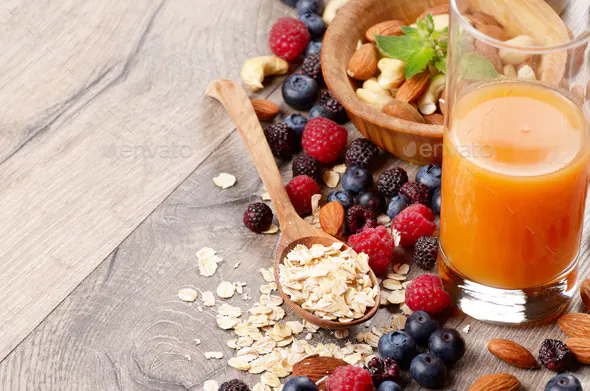
Ingredients
- 8–10 clementines (or mandarins), peeled
- Optional: ½ lemon, peeled
- Optional: splash of cold water if blending
Steps
- Peel clementines; remove heavy pith strands and obvious seeds.
- Press halves on a citrus juicer — or feed peeled segments through a juicer — or blend and strain.
- Stir; add lemon if you want more brightness.
- Serve cold. Best within a few hours.
Nutrition (per serving)
Kitchen estimate from typical produce weights and juice extraction — not lab-analyzed. Juicing leaves most fiber in the pulp; values are for the drinkable juice, not whole fruit or vegetables. Not medical advice.
Serving size: 1 glass
- Calories
- 73 kcal
- Fat
- 0.3 g
- Carbohydrates
- 18.6 g
- Fiber
- 0.5 g
- Sugars
- 14.3 g
- Protein
- 1.4 g
Clementine Juice sits in the citrus juices lane for cooks who want hydration and everyday energy without a complicated shopping list. Start with ripe produce; no juicer setting can invent sweetness that was never in the fruit.
Who this is for
For people stacking simple recipes into a weeknight habit. If you only juice once a month, still follow the produce notes — ripe fruit matters more than RPM marketing.
Produce picks and prep
Heavy fruit for its size means more juice. Avoid dry, lightweight oranges and limes with hard, dull rinds. Bright yellow lemons with thin skins juice easier than thick-rind warehouse fruit.
Peel thoroughly and trim white pith that tastes bitter. A citrus press is enough when citrus is the whole recipe. Peel and remove excess pith. Feed lemon near the end so acidity brightens without sitting in the pulp basket forever.
For this recipe, treat optional ingredients as dials: add them only after you taste the base mix from 8–10 clementines (or mandarins).
Technique by machine
Centrifugal juicers reward a steady rhythm. Push with the tamper, do not jam the chute, and finish with a firmer piece (apple, carrot, or cucumber) to clear soft pulp.
Cold-press shines when you juice slowly and rinse parts soon. Dried pulp is harder to clean than fresh pulp every time.
Blender route: blend with a small splash of cold water if needed, then strain through a nut-milk bag or fine mesh. Expect more foam and a slightly thicker body than juicer output.
Flavor, foam, and yield fixes
Too bitter → more pith removal or a sweet apple splash. Too sharp → orange or a ripe pear partner. Too sharp → apple or orange. Flat glass → another thin lemon wedge. Seeds are fine if the mesh catches them.
Foam is normal, especially with frozen fruit or leafy greens — skim or let the pitcher sit two minutes, then pour. Cloudy juice is not a failure; home juice is rarely bottle-clear.
Target yield is 2 glasses; juicy winter produce can run slightly over, dry winter fruit slightly under.
Variations and related reading
Citrus-forward forks: more lemon/lime for sparkle, more orange for body.
Nearby recipes worth comparing: orange juice, blood orange juice, grapefruit orange juice.
This recipe also sits with citrus juices and winter juices for shopping-style browsing after you nail the base method.
Technique deep-dives that pair well here: how to juice oranges; how to juice lemons; how to juice without a juicer.
Storage and cleanup
Drink the same day when you can — aroma drops fast. Sealed glass in the fridge for a short chill is fine; fill near the top, shake before pouring, and finish within about a day.
A brush dedicated to the mesh screen is worth more than most accessory kits. Dry parts before reassembly so the next batch does not start with old smells.
This page is kitchen method and flavor only — not medical advice, not a detox protocol, and not a disease treatment plan.
Tools used
Manual or electric citrus presses cover this recipe; full juicers are optional.
Affiliate disclosure: As an Amazon Associate we may earn from qualifying purchases. Links go to Amazon.com search or product pages; we do not cloak URLs. We share buying criteria — we do not claim independent lab tests unless explicitly stated.
- Electric citrus juicer
Fast clementine halves.
- Manual citrus press
Small batches without a full juicer.
Best juicer for beginners → · Cold press vs centrifugal → · All juicer guides →
FAQ
Do I need a cold-press juicer for clementine juice?
No. Cold-press can improve yield on greens and soft fruit and runs quieter, but a beginner centrifugal juicer still makes a solid glass if you feed steadily and clear the screen.
What if I only have a blender?
Blend chopped produce with a small amount of cold water, then strain firmly. You will get more foam and a little less clarity, but the flavor lane stays intact.
How do I fix flavor if the batch is off?
Too bitter → more pith removal or a sweet apple splash. Too sharp → orange or a ripe pear partner. Too sharp → apple or orange. Flat glass → another thin lemon wedge. Seeds are fine if the mesh catches them. Change one variable at a time and retaste.
How long does this juice keep?
Same day is best for flavor. Sealed and refrigerated, aim to finish within about 24 hours; shake before drinking. Longer storage tastes flat and can ferment.
How do I get more juice from the same produce?
Use ripe fruit, cut to chute size, alternate soft and firm pieces, and avoid overpacking the screen. Dry, rock-hard produce will always yield less.
Why did my juice separate?
Foam is normal. Skim it or wait a minute before pouring. Clarity is a bottling aesthetic, not a freshness test.
Does this recipe make medical or detox claims?
No. It is a kitchen flavor and method page only — not medical advice, not a cleanse protocol, and not a treatment plan.
Related juices
- Fresh Orange Juice
- Blood Orange Juice
- Grapefruit Orange Juice Recipe
- Lemon Apple Juice Recipe
- Mango Orange Juice Recipe
Explore: Citrus Juices · Winter Juices · Orange & Yellow Juices · Hydration Juices · Juice Recipes · Green Juices · Carrot Juices · Beet Juices · Celery Juices · Tropical Juices · Berry Juices · Juice Shots · Eat the Rainbow · Juicer Buying Guides · Red Juices · Meal-Prep Juices · Purple Juices · Summer Juices · White & Brown Juices
Juice and produce pages are general kitchen information only. They are not intended to diagnose, treat, cure, or prevent any disease. Talk with a clinician for personal health questions.